
Games & Visuals Tricity, October 16 at PJATK Gdańsk

Gdańsk, March 2026 – The Polish-Japanese Academy of Information Technology in Gdańsk invites you to a unique meeting with world-class typeface designers José Scaglione and Patrycja Walczak from the renowned TypeTogether studio. The event is part of their Polish tour of Warsaw, Poznań, and Gdańsk, during which they will present the latest trends in typography and digital design. The meeting will allow participants not only to learn about creative design processes, but also to understand the changes and requirements of the international typography market, where innovative typeface designs play a key role in education, design, and visual communication.
Open lectures: "The Power of Type" and "Typography of the Open World"
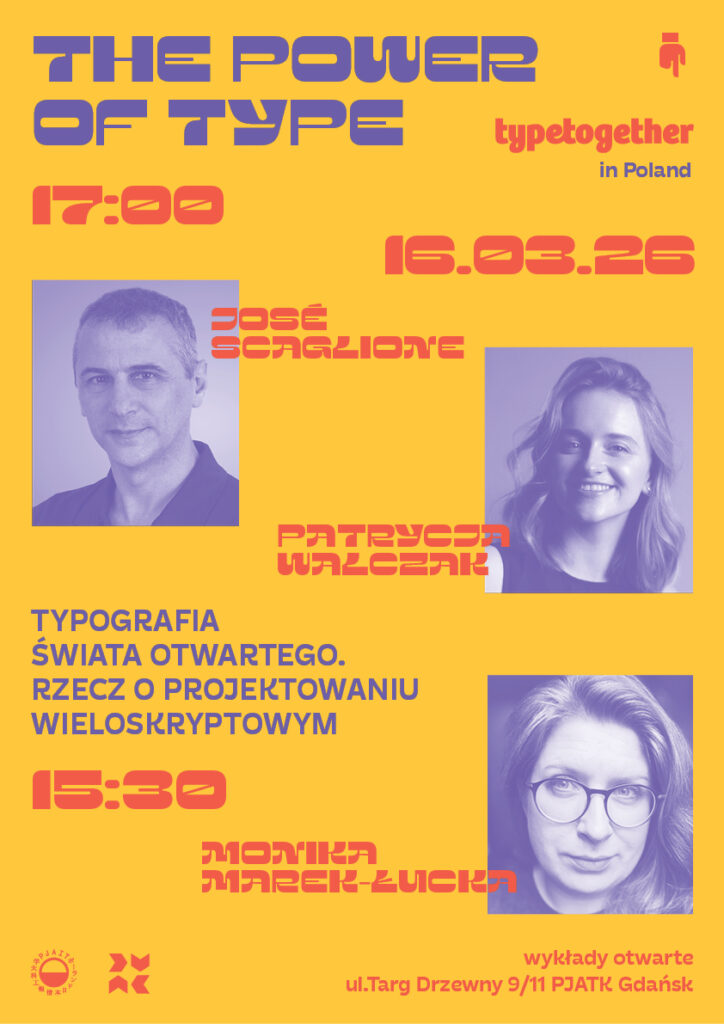
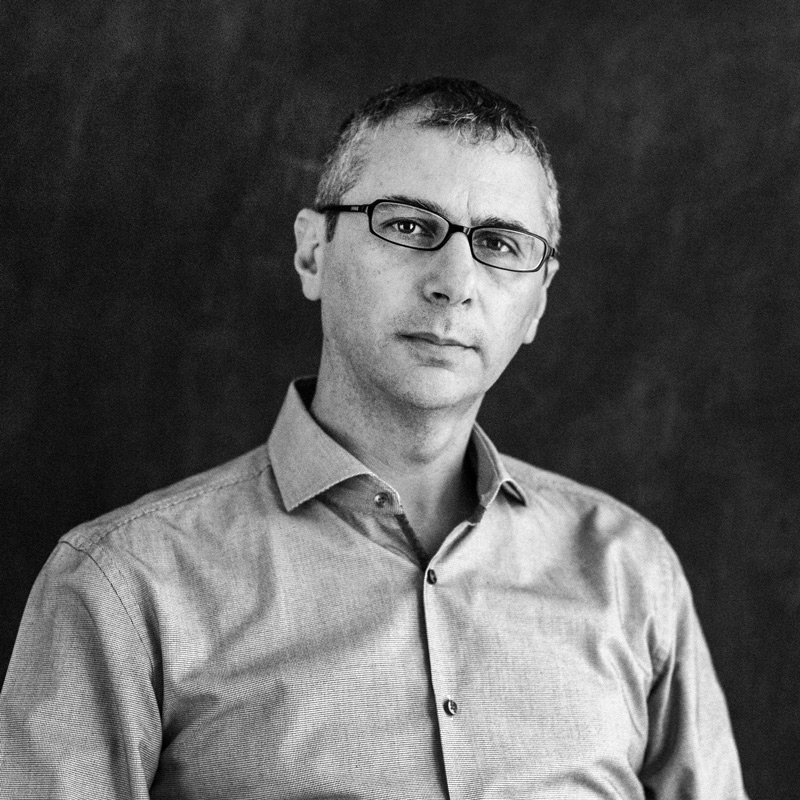
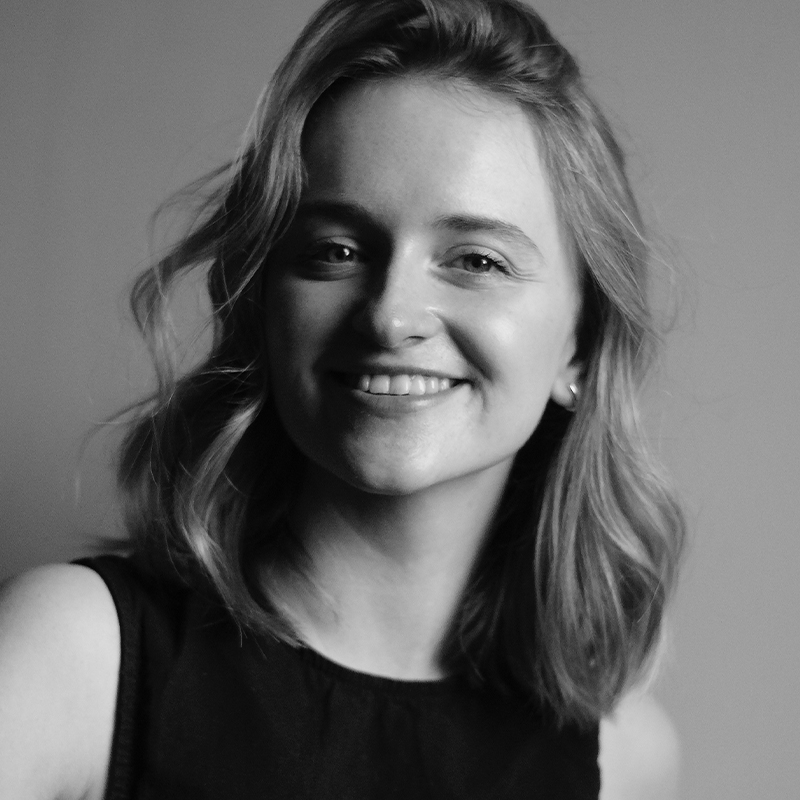
On March 16 at 5:00 p.m. at the Faculty of Computer Science of the Academy of Fine Arts in Gdańsk, José Scaglione, Argentine type designer and co-founder of TypeTogether, former president of the Association Typographique Internationale, and Patrycja Walczak, Polish type and graphic designer, creator of the Poltik font family, Gerard Unger scholarship recipient, and font designer at TypeTogether—will give an open lecture entitled "The Power of Type," which will be followed by a presentation by Dr. Monika Marek-Łucka entitled "Typography of an open world. A discussion of multiscript design."
– The typography industry of the 21st century is changing faster than ever before. This meeting will show that typography can go beyond commercial practice and drive positive change in education, research, and cultural heritage preservation, and will also show how designers can find their place in the dynamic international typography market by using new technologies, digitization, and AI-based tools in their everyday design work, ” emphasizes José Scaglione.
Typography workshops for students
A day later, graphic design students at the Academy of Fine Arts in Gdańsk will have the opportunity to take part in typography workshops led by José Scaglione and Patrycja Walczak. The workshops are based on introductory exercises in typeface design and will be conducted entirely in analog form. Using simple tools—pencils, paper, and tracing paper—students will practice thinking about typefaces as a system, discover the internal relationships between individual elements of letters, and learn about the creative basis of a designer's work. On the one hand, it is a practical design experience, and on the other, a break from the computer screen.
– We want students to see that a letter is more than just a digital shape on a screen – it is a whole universe of forms and relationships that can be explored with the hand and the eye. The workshops will allow them to understand how small details affect the legibility and aesthetics of a typeface, as well as how letters function as a system of interdependencies. It is not only a practical creative exercise, but also an opportunity to develop design sensitivity and a conscious approach to typography. Thanks to this, students can experience the basics of typeface design in a direct and engaging way, separating themselves for a moment from the computer screen and digital tools, says Patrycja Walczak.
The event in Gdańsk is part of PJATK's broader strategy aimed at broadening students' horizons through meetings with world-class experts and international educational experiences.
– Our goal is to show that typography can be a driving force for innovation and education, not just a commercial tool. We want to inspire students to experiment with letters as an element of visual communication, drawing attention to their cultural and historical significance. Typography can shape the way audiences perceive information, and thoughtful typeface design has an impact on education, design, media, and digital technologies. By showing how traditional tools combine with modern solutions such as digitization and artificial intelligence, we want to prepare young designers for work in the demanding global creative market – Dr. Ewa Satalecka, PJATK professor, dean of the Faculty of New Media Art.
The visit of Jose Scaglione and Patrycja Walczak to Gdańsk is possible thanks to the initiative of Prof. Ewa Satalecka, Dean of the Faculty of New Media Arts at PJATK in Warsaw, who supports visits by foreign experts and the development of international cooperation at the university.
José Scaglione is a type designer and lecturer from Argentina. Together with Veronika Burian, he founded the type design studio TypeTogether, where they have released numerous award-winning font families. He is the co-author of books on type design, legibility, and typesetting. He often gives guest lectures and workshops at international conferences and universities. He was president of the Association Typographique Internationale (2013–2017) and co-directs the master’s program in editorial design at the Universidad Nacional del Litoral.
Patrycja Walczak is a typeface designer and graphic designer. In 2024, she obtained a master's degree in graphic design from the Magdalena Abakanowicz University of Arts in Poznań. In 2022, she participated in the Erasmus+ program at the National College of Art and Design in Dublin, Ireland. Inspired by 1970s industrial design, Patrycja created Poltik, a display typeface that received the Gerard Unger Scholarship in 2023 and was later expanded into a whole family. Patrycja is currently a font designer at Type Together.
Dr. Monika Marek-Łucka is a typographer, graphic designer, and researcher of the history of writing. She writes and lectures on typography as a medium of visual communication and on writing as a cultural phenomenon. She is the co-author of the bookLittera Romana(with Andrzej Tomaszewski) – an anthology of texts from the first Polish typography magazine, Litera. Since 2017, she has been lecturing at the Faculty of New Media Arts at PJATK in Warsaw, where she teaches calligraphy, typography, and visual communication. Curator of the Type Directors Club Archive and member of ATypI. She graduated in graphic design from the Academy of Fine Arts in Wrocław and in philosophy from the University of Warsaw.
5:00 p.m., March 16, 2026
"The Power of Type" – José Scaglione, Patrycja Walczak
Lecture in English
From the invention of movable type to the democratization of software for its creation, the typography industry has undergone many changes, but never as rapidly as in the 21st century. This new era challenges us to reimagine the typography studio not only as a publishing house, but also as a platform for collaboration on design innovation, scientific research, cultural heritage preservation, and education.
This lecture presents a series of influential projects in which typography goes beyond commercial practice, showing how thoughtful design and written language can drive positive change.
ENGLISH:
From the invention of movable type to the democratization of type-making software, the typographic industry has mutated countless times, but never did it so fast as in the 21st century. This new era challenges us to reimagine the type foundry not merely as a publisher, but as a collaborative platform for design innovation, academic research, cultural preservation, and education.
This lecture presents a series of impactful projects where typography transcends commercial practice, demonstrating how thoughtful design and written language can drive positive change.
3:30 p.m., March 16, 2026
"Typography of an open world. A discussion on multiscript design" – Dr. Monika Marek-Łucka
Can placing texts written in two different writing systems on the same page become an ideological manifesto? How does the postcolonial turn manifest itself in typography? Do typographers have their own taboos—the equivalent of the American "n-word" or the Harry Potter "You-Know-Who"? Why are the hieroglyphs on the Rosetta Stone not arranged vertically? How have cell phones forced changes in Arabic or Chinese writing? What creative strategies remain for designers working with diverse writing systems? During the lecture, we will seek answers to these questions by looking at the most interesting contemporary design solutions.