Long Live Science! Parade on October 10


According to Eurostat data, only 0.5 percent of Poles report drinking alcohol daily. By comparison, the European Union average is 5 percent. At the same time, as many as 35 percent of Poles report being teetotalers.
One of the visible signs of this change is the growing popularity of non-alcoholic beverages. Increasingly, it’s not a matter of giving up get-togethers, spending time together, or certain rituals, but rather of choosing their alternative, non-alcoholic versions.
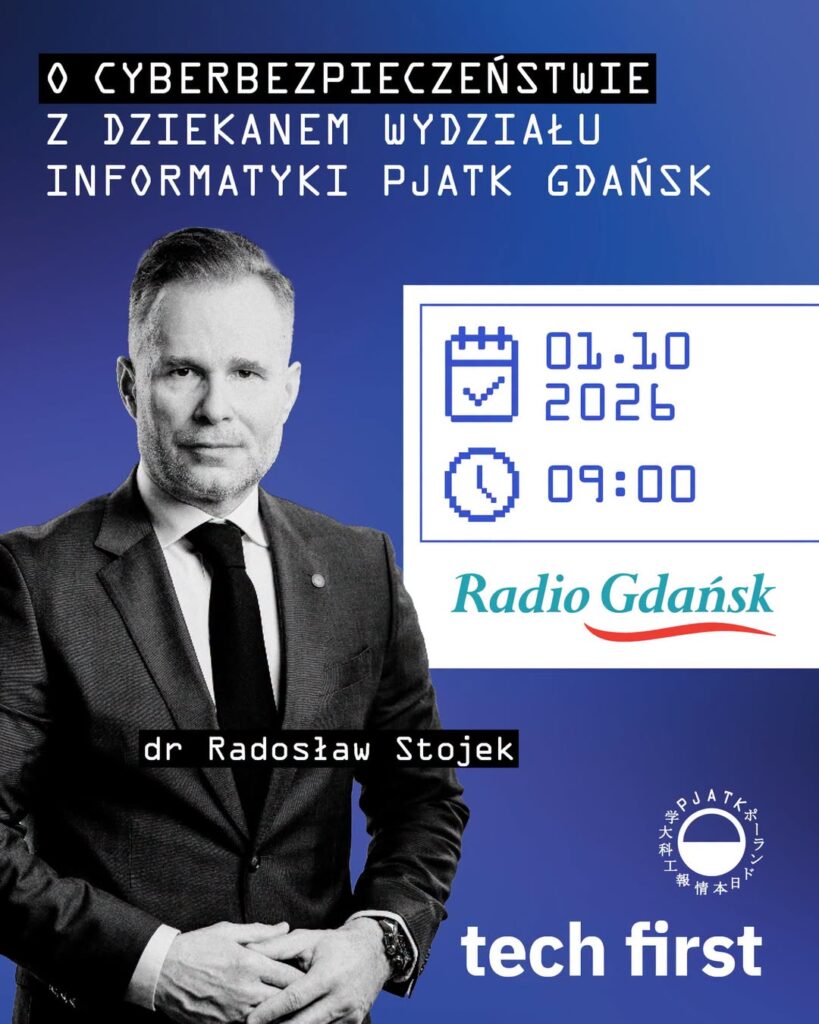
“We’re very pleased that, first of all, the attitudes of younger generations are changing, and second, the popularity of non-alcoholic beverages is on the rise. Of course, health is becoming the biggest selling point,” said Radosław Stojek, dean of the Faculty of Computer Science at PJATK, during the “People and Money” program on Radio Gdańsk.
This is an interesting example of a broader generational shift. Health, well-being, and conscious management of one’s own lifestyle are increasingly taking precedence over social habits that have become ingrained over the years.
And changes in young people’s habits may, over time, also lead to changes in the market—from dining and entertainment to consumer products and the way offerings are designed for future generations.
#FRIDAY #health #younggeneration #trends #education